
Forex currency trading, also known as foreign exchange trading, is one of the most dynamic financial markets that offers traders the opportunity to buy and sell currencies from around the world. The forex market operates 24/5, allowing for trading in various time zones, and is known for its high liquidity and volatility. If you are looking to start trading in this vibrant market, it’s important to understand the fundamentals, strategies, and tools at your disposal. For those in South Africa, finding reliable brokers is crucial; consider checking out forex currency trading Forex Brokers in South Africa to get started.
Understanding Forex Trading
Forex trading involves exchanging one currency for another at an agreed price. The purpose of trading is to profit from fluctuations in currency values. The forex market is the largest financial market in the world, with a daily trading volume exceeding $6 trillion.
Currency Pairs
In forex trading, currencies are quoted in pairs, such as EUR/USD or GBP/JPY. The first currency in the pair is called the base currency, while the second is the quote currency. Traders speculate on the price movement of one currency against another. For example, if you believe the Euro will appreciate against the US Dollar, you would buy the EUR/USD pair.
Major vs. Minor Pairs
Currency pairs are further categorized into major pairs, minor pairs, and exotic pairs. Major pairs include the most traded currencies, such as the US Dollar, Euro, and Japanese Yen. Minor pairs, on the other hand, involve currencies that are less frequently traded, such as the Australian Dollar or New Zealand Dollar. Exotic pairs consist of a major currency paired with a currency from a developing economy.
Forex Trading Strategies
To succeed in forex trading, you need a well-defined trading strategy. Here are some popular strategies traders use:
Day Trading
Day trading involves entering and exiting trades within the same trading day. Day traders look to capitalize on short-term price movements and often use technical analysis to make quick decisions. This strategy requires a good understanding of technical indicators and a keen eye on market news.
Swing Trading

Swing trading is a strategy that involves holding positions for several days or weeks to capture short- to medium-term price movements. Swing traders typically rely on both technical and fundamental analysis to make their trading decisions.
Position Trading
Position trading is a long-term strategy where traders hold positions for weeks, months, or even years. This approach requires a thorough understanding of fundamental factors that affect currency values, such as economic indicators and geopolitical events.
Risk Management in Forex Trading
Risk management is a critical component of successful forex trading. Implementing risk management techniques can help protect your capital and optimize your trading results. Here are some essential risk management practices:
Setting Stop-Loss and Take-Profit Orders
Stop-loss orders are designed to limit potential losses by automatically closing a position when the price reaches a specified level. Take-profit orders allow traders to lock in profits when reaching a predetermined target price. Using these orders ensures that you have a clear plan for exiting trades.
Position Sizing
Position sizing refers to determining the amount of capital to risk on a single trade. Proper position sizing enables you to manage your exposure and minimize potential losses. A common rule of thumb is to risk no more than 1-2% of your trading capital on a single trade.
Technical and Fundamental Analysis
Successful forex traders often use a combination of technical and fundamental analysis to make informed trading decisions. Here’s a brief overview of each:
Technical Analysis
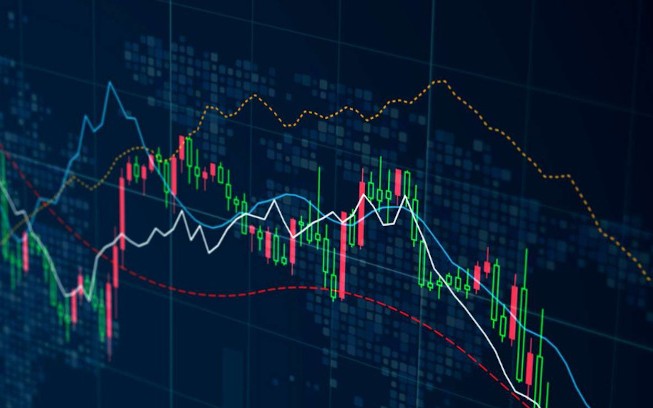
Technical analysis involves analyzing price charts and using various indicators to forecast future price movements. Some popular technical indicators include moving averages, Relative Strength Index (RSI), and Bollinger Bands. Traders use these tools to identify patterns and trends in the market.
Fundamental Analysis
Fundamental analysis focuses on economic indicators, such as interest rates, inflation, and unemployment, to assess a currency’s intrinsic value. Traders who use this approach analyze economic reports, central bank announcements, and geopolitical events to make trading decisions.
Choosing a Forex Broker
Selecting the right forex broker is crucial for your trading success. Here are some factors to consider when choosing a broker:
Regulation
Ensure that the broker is regulated by a reputable financial authority. Regulation helps protect your funds and ensures that the broker follows industry standards.
Trading Platform
The trading platform provided by a broker should be user-friendly and equipped with the necessary tools and features for executing trades. Popular platforms include MetaTrader 4 and MetaTrader 5.
Trading Costs
Understand the trading costs, including spreads, commissions, and overnight fees. Lower trading costs can positively impact your profitability.
Conclusion
Forex currency trading presents exciting opportunities for traders looking to profit from the global currency markets. By understanding the fundamentals, developing a solid trading strategy, and implementing effective risk management techniques, you can position yourself for success. Always remember to continuously educate yourself and adjust your trading strategies based on market conditions. With the right tools and knowledge, you can navigate the complexities of forex trading and potentially achieve your financial goals.
