
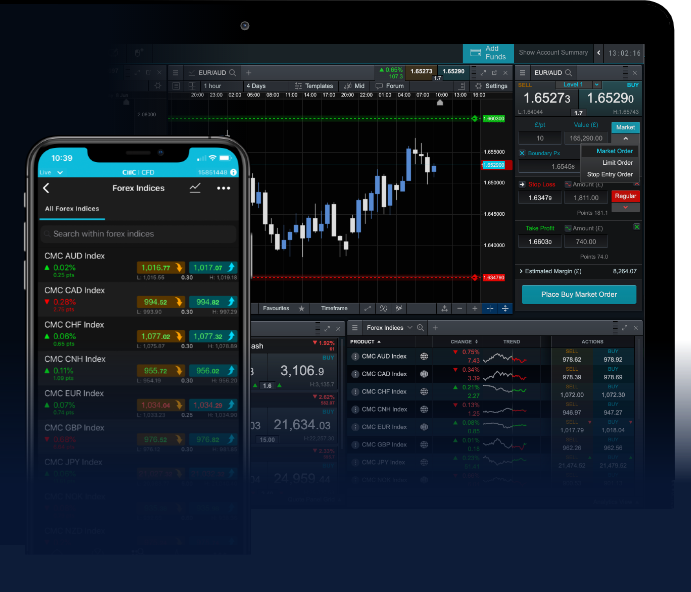
The Forex trading business offers immense opportunities for traders around the world, providing a vibrant marketplace to buy and sell currencies. With the advent of technology, finding reliable forex trading business Indian Trading Platforms has become easier, making forex trading accessible to many aspiring traders. Understanding the fundamentals of forex trading is essential for anyone looking to embark on this thrilling journey.
Understanding Forex Trading
Forex, or foreign exchange, is the global marketplace for the buying and selling of currencies. Unlike stock markets that operate in defined hours, the forex market runs 24 hours a day, five days a week, allowing traders to execute trades at any time. This continuous market creates numerous opportunities for traders to profit from the fluctuations in currency values.
The Currency Pairs
In the forex market, currencies are traded in pairs. The most common pairs include EUR/USD, GBP/USD, and USD/JPY, among others. The first currency in the pair is known as the base currency, while the second is the quote currency. For example, in the pair EUR/USD, if one euro is valued at 1.20 USD, then the pair is trading at 1.20. When trading, if a trader believes the base currency will appreciate against the quote currency, they will buy the pair; if they believe the opposite, they will sell it.
Market Participants
The forex market consists of various participants, including central banks, financial institutions, corporations, and individual traders. Each group has its reasons for trading, from hedging against currency risks to speculating for profit. Understanding the motivations of these market participants is crucial for successful trading, as their activities can heavily influence currency prices.

The Role of Leverage
One of the most attractive aspects of forex trading is the ability to use leverage. Leverage allows traders to control larger positions with a relatively small amount of capital. For instance, a leverage of 100:1 means that a trader can control $100,000 with just $1,000. While leverage can amplify profits, it also increases the risk of substantial losses. Hence, managing leverage wisely is critical for long-term success in the forex trading business.
Analysis Techniques
Successful traders utilize a combination of fundamental and technical analysis to inform their trading decisions. Fundamental analysis involves assessing economic indicators, such as GDP, inflation rates, and employment figures, to gauge a currency’s strength. In contrast, technical analysis focuses on historical price movements and chart patterns to predict future price behavior. Many traders find a combination of both approaches yields the best results.
Risk Management
Effective risk management is vital in forex trading. Traders must define their risk tolerance and implement strategies to minimize potential losses. This can include using stop-loss orders to limit losses, diversifying trading strategies, and avoiding over-leveraging. A well-thought-out risk management plan enhances a trader’s ability to withstand market fluctuations and maintain a sustainable trading business.
Choosing a Brokerage
Selecting the right brokerage is an essential step for any trader. Different brokers have different fee structures, trading platforms, and available currency pairs. It is crucial to choose a broker that meets your trading style and requirements. Look for brokers that offer robust trading tools, customer support, and transparent pricing. Additionally, regulatory compliance is a must to ensure the security of your funds.
Developing a Trading Strategy
Having a solid trading strategy is imperative for success in forex trading. A trading strategy should outline when to enter and exit trades, the types of analysis to be used, and the risk management techniques to be employed. Common strategies include day trading, swing trading, and scalping. New traders are encouraged to backtest their strategies and paper trade before committing real capital.
Continuous Learning and Adaptation
The forex market is dynamic and ever-changing. Successful traders consistently educate themselves about new trading techniques, market conditions, and geopolitical influences that may affect currency valuations. Online courses, webinars, and mentorship programs can be invaluable resources for traders looking to refine their skills.
Community and Networking
Being part of a trading community can provide valuable insights and support. Joining forums, attending trading events, and participating in social media groups can enhance your trading knowledge. Networking with other traders can lead to sharing experiences, strategies, and best practices that may help elevate your trading performance.
Conclusion
The forex trading business can be lucrative for those who approach it with the right mindset, strategies, and tools. By understanding how the forex market operates and implementing sound trading principles, you can navigate this complex landscape. Always remember that success in forex trading is a journey that involves continuous learning, disciplined trading, and effective risk management. As you develop your skills, you will find your place in this exciting global marketplace.
